
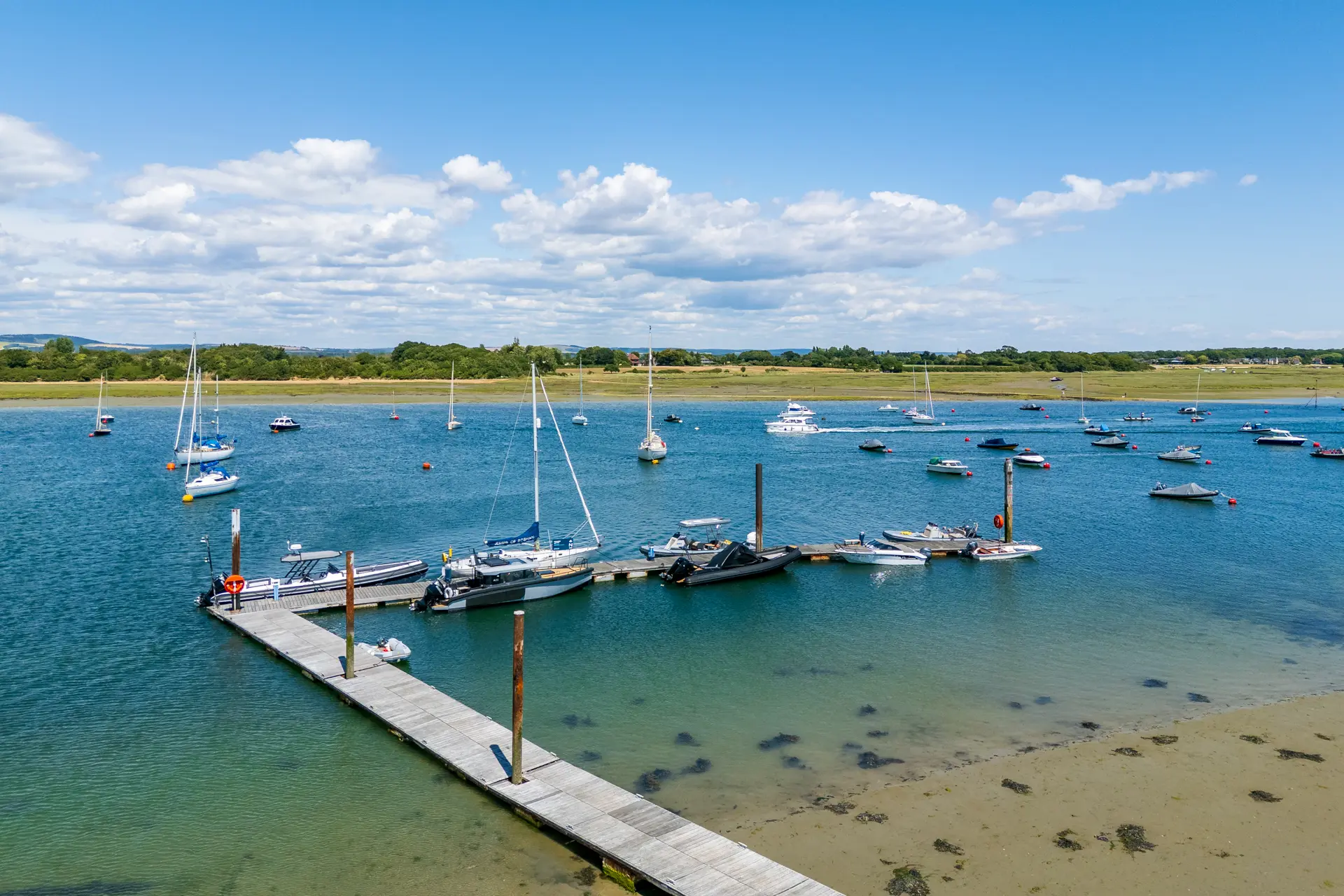
If you own a harbour mooring, you’ll know how valuable it feels.
It might have taken years to secure. Perhaps it came through family or it might simply be part of how you’ve always done things.
For a few golden weeks each summer, it’s perfect. Long days aboard. Children swimming off the side. Evenings that stretch.
But outside those periods, many boats simply sit afloat, exposed to growth, weather and wear, whether they’re being used or not.
So here’s a simple question:
If you don’t need your boat in the water most of the time… why is it there?
That’s where the idea of a Mooring Valet comes in.
What is a Mooring Valet?
A Mooring Valet allows you to keep your existing mooring – but store your boat ashore when it’s not in active use.
When you’re boating regularly, your boat remains on the mooring.
When usage slows down, it comes ashore.
Securely stored. Properly supported. Out of constant immersion.
When you’re ready again, whether that’s a planned weekend or the start of your main summer stretch, it’s delivered back to your mooring.
The rhythm is simple:
Active period → boat on the mooring
Downtime → boat ashore
It mirrors how most modern harbour owners actually use their boats.

Why Traditional Moorings Don’t Always Match Modern Use
Most harbour boat owners don’t use their boats every weekend.
Instead, usage tends to happen in bursts:
School holidays
A fortnight in August
A cluster of warm evenings
Visiting family periods
Outside of those windows, activity drops significantly.
Yet the boat remains afloat year-round, covered in antifoul, attached by chain to the seabed, exposed to weather systems and biological growth whether it’s being enjoyed or not.
That isn’t neglect. It’s simply how moorings have always worked.
If you hold a Chichester Harbour mooring, whether among the Itchenor moorings or elsewhere in the harbour, you’ll know the annual rhythm.
Chichester Harbour mooring renewals come around. The Chichester Harbour mooring fee is paid. Boats go in for the season and come out again over winter, as they always have.
But that traditional rhythm doesn’t always reflect how people actually want to use their boats. With a Mooring Valet, the boat isn’t tied to a fixed in-and-out date. If you fancy a crisp winter run on a still December morning, it can be back on the mooring. When you’re not using it, it’s ashore again.
It becomes more flexible — and more intentional.
The Benefits of Storing Your Boat Ashore Between Trips
Reduced time afloat has practical advantages.
1. Reduced Growth and Wear
Less constant immersion means less marine growth, reduced corrosion and less strain on hull coatings and systems.
2. Winter Protection
A proper winter home ashore removes prolonged storm exposure and the need for separate seasonal storage arrangements.
3. Lower Long-Term Maintenance Pressure
Fewer months in the water can mean fewer antifoul cycles, reduced hull cleaning and slower long-term material fatigue.
4. Environmental Consideration
We operate in one of the most protected harbour environments in the country. A boat that isn’t in the water when it doesn’t need to be is simply lighter on the harbour.
Antifoul interaction is reduced. Seabed chain movement is reduced. Storm exposure is reduced.
It’s not dramatic. It’s just more considered.
5. Ready When You Arrive
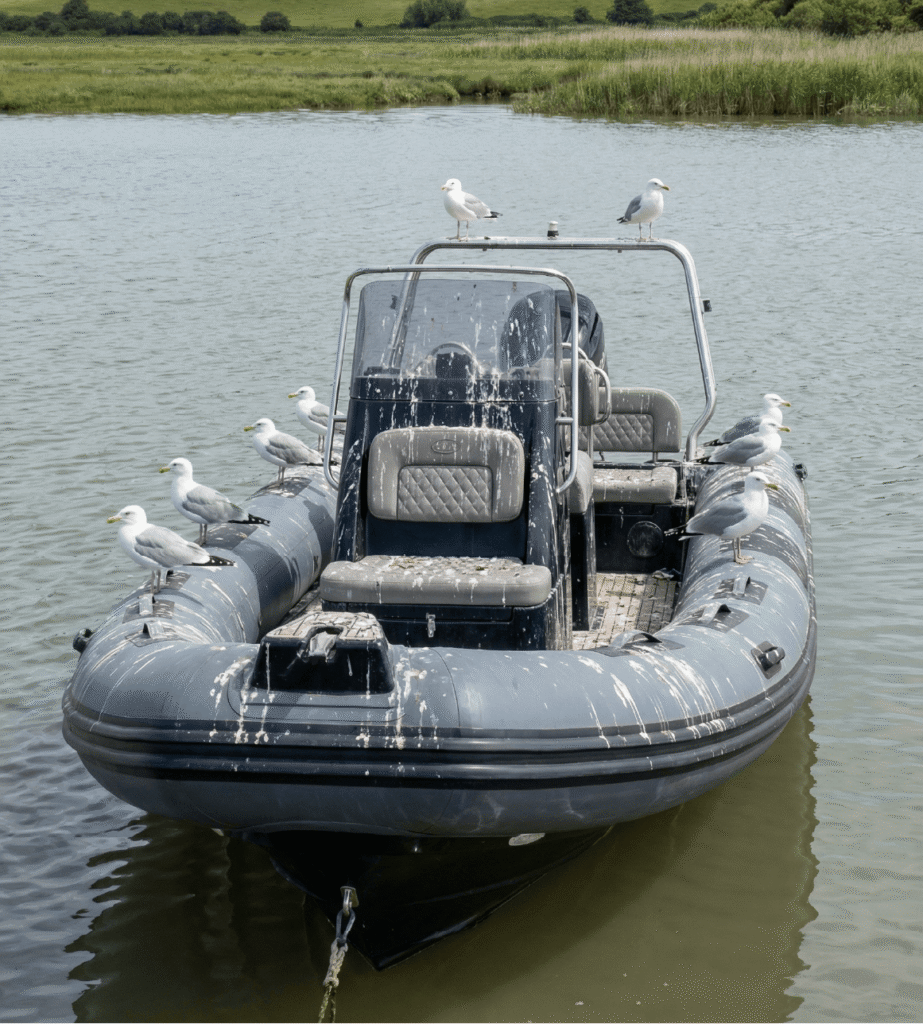
When a boat spends less time exposed on the water, it simply feels better when you step aboard. There’s less grime, less weather staining and far fewer reminders that the local birdlife has been making the most of your absence. It means arriving ready to go, rather than reaching for a cloth before you cast off.
The Human Side – Peace of Mind
There’s also something less talked about.
Boats left on moorings through winter can quietly play on the mind.
Storm warnings, high winds overnight, lines under tension. When your boat is ashore, it’s secure, supported and visible. That background anxiety disappears.
It’s better for the boat. Quieter for the owner.

How Is It Priced?
A fair question.
Because if you’re keeping your mooring, you might assume this simply adds another layer of cost. It doesn’t.
Mooring Valet is benchmarked against Lift & Launch and priced intentionally lower to reflect the fact that you are retaining your mooring.
It sits between traditional mooring and full ashore management — not on top of them.
For many owners, once you factor in:
Separate winter storage
Lift-out and relaunch fees
Trailer yard or driveway compromise
Ongoing maintenance from year-round immersion
the gap is often narrower than expected. It’s not about being cheaper.
It’s about structuring ownership more intelligently around how you actually use your boat.
Is a Mooring Valet the Same as Lift & Launch?
Not quite.
Lift & Launch removes the mooring altogether and keeps the boat ashore year-round, launching on demand. A Mooring Valet keeps your mooring. That’s the distinction.
For many owners, the mooring itself holds long-term value – practical and emotional.
A Mooring Valet simply upgrades the protection around it.
A Different Way to Think About Harbour Boat Ownership
Perhaps the real shift isn’t about moorings, marinas or dry systems.
It’s about recognising that most boats aren’t used consistently across twelve months. They’re used intensely, then left alone. Loved in bursts, then quietly weathered.
A Mooring Valet simply responds to that rhythm.
You don’t give up your mooring. You don’t commit to constant immersion. You don’t change how you boat in summer. You just stop leaving the boat in the water when it doesn’t need to be there.
It’s a small adjustment. But over time, it changes the experience of ownership entirely.
A Conversation Worth Having
If you love your mooring but suspect there may be a smarter way to care for your boat around the edges of summer, we should probably talk.
A Mooring Valet isn’t for everyone. But for the right owner, it changes everything.